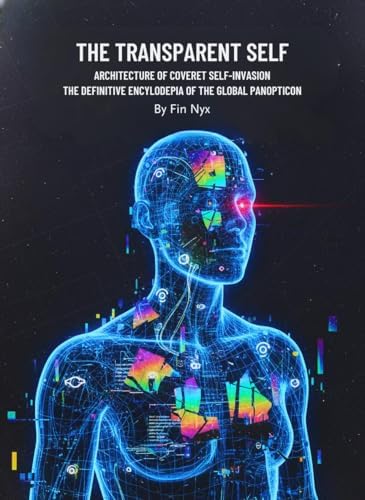
Chapter 9
Chapter 9 of The Silent Harvest — from
Biological Sovereignty
The battle for your mind in the age of neuro-warfare.

Chapter 9 of The Silent Harvest — from
The Right to an Un-Modeled Self
The complete forensic analysis of the 8-tier architecture of covert control.
A Call for Global Biofield Rights
A framework for biological sovereignty in the age of ubiquitous biometric surveillance. International recognition of fundamental human rights over our own biological systems.
The Silent Harvest • Section 4: Rights & Remedies
The most intimate territory any human possesses is not the physical body alone, but the field of biological information that animates it—heart rhythms, neural electrical patterns, biometric signatures, emotional states. This biofield, once protected by the basic premise that our inner biological processes are private, is now accessible through ubiquitous surveillance technologies.
Existing human rights frameworks were conceived when biological monitoring was limited to medical contexts. They did not anticipate a world where our heartbeats become data points, our emotional states become market commodities, and our neural patterns become training material for artificial intelligence. The right to biological privacy must be explicitly recognized, protected, and enforced at the global level.
This chapter proposes a comprehensive framework for global biofield rights—fundamental human rights that protect biological sovereignty, establish clear boundaries for biometric data use, and create enforceable remedies for violations. These rights are not new principles; they are existing rights applied to new technological realities.
🌍 Universal Declaration of Biofield Rights
Adopted for Global Implementation — December 2024
Preamble
Recognizing that the unprecedented advancement of biometric sensing and data processing technologies has created new opportunities for improving human welfare while simultaneously presenting profound threats to human autonomy, dignity, and privacy;
Acknowledging that human biological fields—including cardiac rhythms, neural electrical activity, facial expressions, vocal characteristics, and emotional states—constitute the most intimate and personal domains of human experience;
Affirming that the harvesting, analysis, and utilization of biological data without informed, explicit, and revocable consent constitutes a violation of fundamental human rights;
Proclaiming this Universal Declaration of Biofield Rights as a common standard of achievement for all peoples and all nations, to the end that every individual and every organ of society, keeping this Declaration constantly in mind, shall strive by teaching and education to promote respect for these rights and freedoms and by progressive measures, national and international, to secure their universal and effective recognition and observance.
Article I: Right to Biological Sovereignty
All human beings are born free and equal in dignity and biological rights. They are endowed with reason and conscience and should act towards one another in a spirit of brotherhood and respect for biological privacy.
Every person has the fundamental right to maintain sovereignty over their biological field, including but not limited to their cardiac rhythms, neural electrical patterns, facial expressions, vocal characteristics, and emotional states. No entity shall collect, analyze, process, or utilize biological data without the explicit, informed, and revocable consent of the individual.
Article II: Right to Biological Integrity
Biological integrity includes protection from involuntary data collection through public cameras, workplace monitoring systems, educational technology platforms, consumer devices, or any other means of biometric sensing. The right to biological integrity extends to protection from algorithms that attempt to infer, predict, or manipulate emotional states, cognitive processes, or behavioral intentions without explicit consent.
Article III: Right to Conscious and Revocable Consent
Consent for biological data collection must be conscious, specific, informed, and freely given. Consent obtained through deception, coercion, manipulation, or the exploitation of vulnerable states is invalid and void.
Consent for biological data use must be revocable at any time without penalty or prejudice. Individuals have the right to demand the immediate cessation of biological data collection, the deletion of all collected biological data, and the destruction of any predictive models trained on that data. Consent cannot be bundled as a condition of essential services, employment, education, healthcare, or participation in society.
Article IV: Right to Biological Privacy
Every person has the right to biological privacy, including the right to control access to, use of, and disclosure of their biological data. Biological data shall not be disclosed, transferred, sold, or shared without explicit, separate consent for each specific purpose.
Biological privacy includes protection from third-party access, government surveillance, commercial exploitation, and unauthorized academic research. Anonymized or aggregated biological data that can be reasonably re-identified shall retain the same protections as identified data.
Article V: Right to Biological Autonomy
Every person has the right to biological autonomy—the ability to make decisions about their biological data, health, and well-being without external manipulation or interference.
Biological autonomy includes protection from psychological manipulation, behavior modification, emotional targeting, and cognitive influence achieved through biological data analysis. No system shall use biological data to intentionally influence decisions, emotions, or behavior without the explicit, informed consent of the individual.
Article VI: Right to Remedy and Recourse
Every person whose biofield rights have been violated has the right to an effective remedy, including fair and adequate compensation for damages, injunctive relief to prevent ongoing violations, and punitive damages where violations are willful or systematic.
Remedies shall include the right to destroy all biological data collected in violation of these rights, the right to prohibit further collection or use of biological data, and the right to independent verification that all violations have been remedied. No arbitration clause, terms of service, or user agreement shall limit these rights or remedies.
🏛️ Global Implementation Framework
International Treaty Structure
Convention on Biofield Rights
Binding international treaty establishing baseline standards for all signatory nations.
Biofield Rights Council
UN-established body monitoring compliance, receiving complaints, and enforcing standards.
International Biofield Court
Judicial body handling cross-border violations and providing remedial orders.
National Implementation Requirements
Constitutional Amendments
Explicit biofield rights provisions in national constitutions and fundamental laws.
Biofield Protection Agencies
Independent national agencies with enforcement powers and investigatory authority.
Criminalization Framework
Criminal penalties for willful biofield violations, including imprisonment and fines.
Key Implementation Priorities
- Immediate: Ban non-consented public biometric monitoring (facial recognition cameras, etc.)
- Short-term: Require explicit biometric consent for all workplace and educational systems
- Medium-term: Establish data brokerage prohibitions for biological data
- Long-term: Create global standards for AI-biometric system integration
🏢 Corporate Responsibilities
Corporate Biofield Rights Compact
Corporations voluntarily commit to biofield rights through binding agreements with enforceable penalties. Participants gain certification and market advantages while demonstrating ethical leadership in the biometric technology space.
Transparency Requirements
Public disclosure of all biometric data collection, usage, and sharing practices.
Consent Standards
Rigorous consent protocols with no bundling, clear opt-out mechanisms.
Accountability Measures
Annual biofield rights audits, third-party verification, public reporting.
Investment and Financial Sector
ESG Integration: Biofield rights compliance included in environmental, social, and governance investment criteria.
Due Diligence Requirements: Venture capital and private equity must conduct biofield rights due diligence on portfolio companies.
Market Exclusions: Companies violating biofield rights excluded from institutional investment portfolios.
⚙️ Technical Standards & Enforcement
Technical Safeguards
Enforcement Mechanisms
Join the Global Movement
Biofield rights are not just theoretical principles—they are the fundamental building blocks of human autonomy in the biometric age. Every person has the right to control their biological identity. Every nation has the duty to protect that right. Every corporation must respect that right.
The future of biological autonomy depends on what we do today. The time for global action is now.